As the core upstream mineral of the entire zirconium industrial chain, zircon sand relies on its excellent physical stability, high temperature resistance and modification adaptability. It has completed a value leap from traditional industrial auxiliary materials to four strategic tracks: new energy, high-end electronics, biomedicine and clean energy, becoming a key basic mineral resource supporting the domestic substitution of high-end manufacturing.
For a long time, the market’s understanding of zircon sand was limited to traditional fields such as architectural ceramics, precision casting and industrial refractories, with steady demand growth and fierce homogeneous product competition. However, the industrial structure has been fully restructured from 2025 to 2026. While traditional demand is steadily optimized,
high-value-added emerging fields have become the core driving force for the growth of the zirconium industry, completely reshaping the market positioning and industrial pattern of zircon sand.
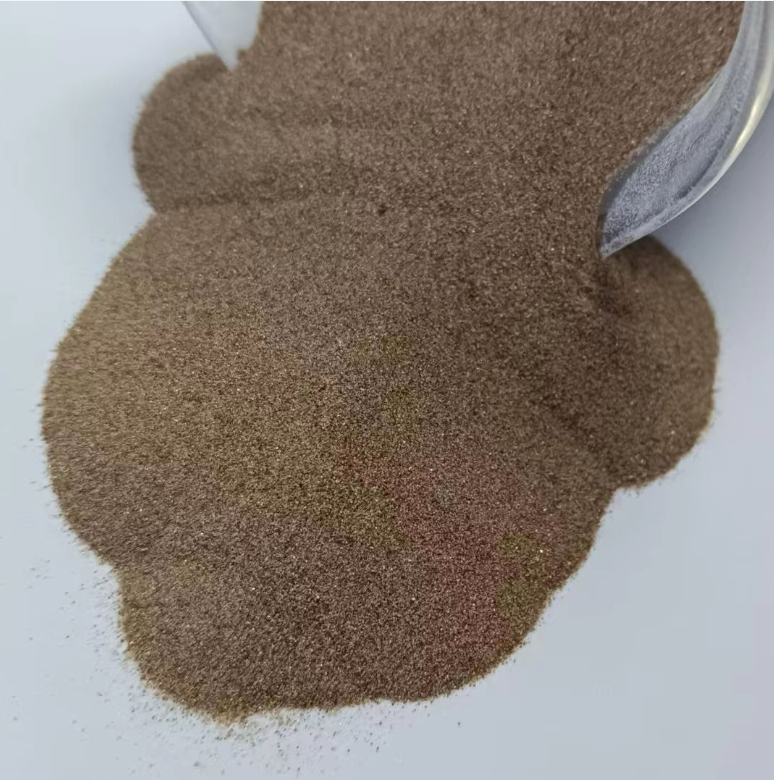
In the new energy track, the large-scale mass production of solid-state batteries has driven explosive growth in demand for zircon sand. As the core upstream raw material for LLZO oxide solid electrolytes, zirconia processed from high-purity zircon sand is a key material to improve the stability, cycle life and safety performance of solid-state batteries. Industry data shows that every 1GWh solid-state battery production capacity consumes 60 tons of high-end zirconia materials, driving the annual growth rate of high-purity zircon sand demand to exceed 75%. Meanwhile, zirconium-based materials used for lithium battery cathode coating can effectively improve the high temperature resistance and attenuation resistance of lithium batteries, making them essential materials for power battery quality upgrading.
In the fields of high-end electronics and AI computing power, the industrial value of zircon sand continues to grow. With the outbreak of AI servers, 5G communication and intelligent terminal industries, the demand for high-end MLCC (Multi-Layer Ceramic Capacitors) continues to expand. As a core modified dopant, high-purity zirconia can significantly improve the voltage resistance, temperature stability and service life of capacitors, which is indispensable for miniaturized and high-precision electronic components. In addition, the iteration and upgrading of 5G ceramic filters and high-frequency electronic ceramics further boost the rigid demand for high-purity zircon sand.
The clean energy and nuclear power sectors open up the medium and long-term growth space for zircon sand. With the normalized approval of domestic nuclear power projects and the implementation of fourth-generation nuclear power technology, the demand for nuclear-grade zirconium materials continues to recover. Each new nuclear power unit requires a large number of high-end zirconium-based materials, realizing domestic substitution relying on the deep processing system of high-purity zircon sand. At the same time, new clean energy equipment such as Solid Oxide Fuel Cells (SOFC) and hydrogen electrolysis equipment take zirconium-based ceramic materials as core components, relying on their corrosion resistance, high temperature resistance and high stability to support the development of new energy equipment.
The biomedicine track has become a new growth pole for the zirconium industry. Nano-zirconia prepared from high-purity zircon sand has the advantages of high biocompatibility, wear resistance, corrosion resistance and no heavy metal precipitation. It is widely used in dental restorations, orthopedic implant materials and ceramic parts of medical precision instruments. Compared with traditional metal materials, it has significant advantages in performance and safety, and the medical-grade zirconium material market has maintained a rapid growth of more than 25% for many consecutive years.
At present, global zircon sand resources are highly concentrated. The iteration and supply contraction of overseas mine capacity, coupled with the rapid rise of domestic high-end manufacturing industry, make high-purity, stable and batch-consistent zircon sand raw materials a scarce resource in the industry. Industrial competition has completely bid farewell to low-end price competition and turned to value competition focusing on high quality, high-purity technology and customized adaptation.
Based on the new industrial trends, high-quality zircon sand is no longer an ordinary industrial raw material, but a strategic new material base material covering new energy, electronic information, clean energy and biomedicine. In the future, with the continuous upgrading of high-end manufacturing and accelerated domestic substitution, the high-end application scenarios of zircon sand will continue to expand, and its industrial value will usher in long-term revaluation.


