• Zircon Sand
  • Zircon Sand
  • Zircon Sand
  • Zircon Sand
  • Zircon Sand
  • Zircon Sand
  • Zircon Sand
  • Zircon Sand
  • Zircon Sand
  • Zircon Sand
  • Zircon Sand
  • Zircon Sand
  • Zircon Sand
  • Zircon Sand

Zircon Sand

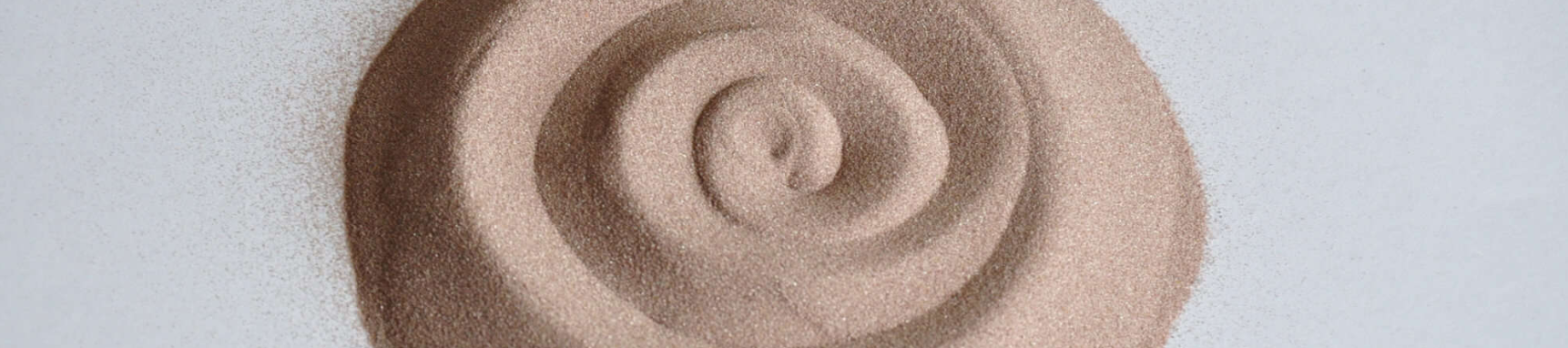
Zircon sand is a high-performance industrial mineral made from natural zircon. It has high hardness, high melting point (up to about 2500℃), chemical stability, and excellent wear resistance and high-temperature resistance. It is widely used in precision casting, refractory materials, ceramics, glass, and surface treatment industries.

Email :    info@hnzrti.com
Phone/Whatsapp :  +86 15154137725
Addess : Room 1710, Building 1, Yangpu Poly Center, Yangpu Economic Development Zone, Danzhou City, Hainan Province,China
Description

    Zircon sand is a high-performance industrial mineral made from natural zircon. It has high hardness, high melting point (up to about 2500℃), chemical stability, and excellent wear resistance and high-temperature resistance. It is widely used in precision casting, refractory materials, ceramics, glass, and surface treatment industries.
Basic Specifications:
ZrO2 Content: 65% - 66% (Customizable)
TiO2 Content: 0.15% - 0.45% (Customizable)
Fe2O3 Content: 0.05% - 0.3% (Customizable)
Particle Size: 100 Mesh, 200 Mesh, 325 Mesh (Customizable)
Appearance: Grayish-white or pale yellow fine sand
Application Areas:
* Ceramics and Refractory Materials: Used in the manufacture of high-performance ceramic glazes, refractory bricks, and zirconium ramming mixes for glass kilns.
* Foundry Industry: Used as a mold shell material in precision casting due to its excellent thermal shock resistance.
* Chemical Industry: A primary raw material for the production of zirconium chemicals (such as zirconium oxychloride and zirconium dioxide).
* Nuclear Industry: Used as a structural and shielding material for nuclear reactors.

Chemical composition


Standards for zircon sand products


Advanced sand

Super

Grade 1

Grade 2

Grade 3

Grade 4

Grade 5

(Zr.Hr)O2

≥66.00

≥65.00

≥65.00

≥65.00

≥63.00

≥60.00

≥55.00

TiO2

≤0.08

≤0.15

≤0.50

≤1.00

≤2.50

≤3.50

≤8.00

Fe2O3

≤0.06

≤0.10

≤0.25

≤0.30

≤0.50

≤0.80

≤1.50

P2O3


≤0.20

≤0.25

≤0.35

≤0.50

≤0.80

≤1.50

Al2O3


≤0.80

≤0.80

≤0.80

≤1.00

≤1.20

≤1.50

SiO2

≤32.00

≤32.00

≤34.00

≤34.00

≤33.00

≤32.00

≤31.00


Properties

    Zircon sand, also known as zircon sand and zircon, is a mineral composed mainly of zirconium silicate (ZrSiO4). Pure zircon sand is a colorless transparent crystal.

    Zircon is widely used in the foundry industry, mostly in the form of SAND and FLOUR (milled sand) for casting and refractory applications. Zircon’s properties make it ideal as a moulding base material for sand casting and investment casting, in addition to use as mould coating in die casting and in refractory paints and washes to reduce the wettability of other foundry sands.

Application

1, Refractory raw materials: used for the production of zirconium brick, zirconium jade fused brick, sintered brick, water brick, glass kiln zirconium ramming material, castable.

2, Ceramics: stable chemical performance, is a kind of high quality, cheap opacification agent, is widely used in all kinds of building ceramics, sanitary ceramics, daily ceramics, first-class handicraft ceramics production, in the processing and production of ceramic glaze, a wide range of use, large dosage.

3, Glass: television industry color picture tube, glass industry emulsion glass.

4. Coating: good suspension stability, excellent thixotropy and fluidity, good brushing, brushless coating, low organic content, small gas production, high coating strength.

5, Casting: with good thermal conductivity, small thermal expansion, thermal shock stability, high refractoriness, zirconium sand heat storage coefficient is also large. It has a strong cooling effect on castings, which can refine metal structure and improve mechanical properties.

Chemical composition


Standards for zircon sand products

Advanced sand

Super

Grade 1

Grade 2

Grade 3

Grade 4

Grade 5

(Zr.Hr)O2

≥66.00

≥65.00

≥65.00

≥65.00

≥63.00

≥60.00

≥55.00

TiO2

≤0.08

≤0.15

≤0.50

≤1.00

≤2.50

≤3.50

≤8.00

Fe2O3

≤0.06

≤0.10

≤0.25

≤0.30

≤0.50

≤0.80

≤1.50

P2O3


≤0.20

≤0.25

≤0.35

≤0.50

≤0.80

≤1.50

Al2O3


≤0.80

≤0.80

≤0.80

≤1.00

≤1.20

≤1.50

SiO2

≤32.00

≤32.00

≤34.00

≤34.00

≤33.00

≤32.00

≤31.00

Refractive index

1.93 to 2.01

Color

Yellow white

Specific Gravity

4.6-4.71g/cm3

Bulk density

2.6-2.8g/cm3

Mohs Hardness

7.5

Thermal expansion coefficient

0.003 cm/cm· ℃

Coefficient of Linear Expansion

7.2x 10⁻⁶ cm/cm℃

Melting point

2100-2300℃

PH

6.0-8.5


What is zircon sand?

    Zircon, also known as zircon silicate (ZrSiO4), is found in ancient mineral sand deposits. In the form of crystal sands, zircon is typically brown, but could also vary from colourless to yellow-golden, pink and red to blue and green.

    Zircon is one of the two core product streams from ‘mineral sands’, the other being titanium minerals (ilmenite, leucoxene and rutile).

    The majority of zircon sand is mined in Australia and the African continent. Current annual global production is in excess of one million tonnes. Almost half of the zircon produced globally is consumed by China, with other significant consuming regions including Europe, North America, Asia-Pacific and India.

    The main use of zircon sand is its conversion into flour, opacifier, fused zirconia, zirconium chemicals, chemical zirconia and zirconium metal. Zircon sand is directly used in foundry applications and refractories and other minor applications.

  • Zircon Sand
  • Zircon Sand
  • Zircon Sand
  • Zircon Sand
  • Zircon Sand
  • Zircon Sand
  • Zircon Sand